
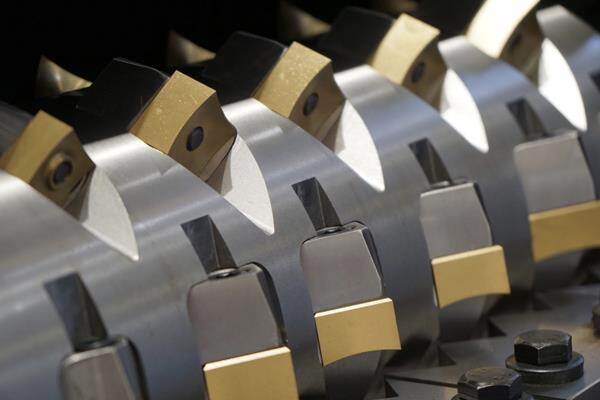
In modern recycling, waste processing, and industrial manufacturing, shredder blades are among the most critical components of any shredding system. Whether processing plastics, tires, electronic waste, wood, metal scraps, or industrial waste, shredder blades are constantly exposed to extreme wear, impact, and abrasive materials.
Traditional steel blades often suffer from rapid wear, frequent maintenance, and costly downtime. To overcome these challenges, more industries are turning to tungsten carbide shredder blades for superior durability, cutting efficiency, and long-term performance.
But what makes tungsten carbide the ideal material for shredding applications?
What Is Tungsten Carbide?
Tungsten carbide is an advanced engineering material made from tungsten and carbon. Known for its exceptional hardness and wear resistance, it is widely used in mining tools, cutting equipment, drilling components, and other applications where extreme durability is required.
With a hardness approaching that of diamond, tungsten carbide is specifically designed to withstand continuous abrasion, heavy loads, and harsh operating environments.
Why Choose Tungsten Carbide Shredder Blades?
1. Exceptional Wear Resistance
Shredder blades operate under constant friction while processing highly abrasive materials.
Conventional steel blades gradually lose their cutting edge, reducing efficiency and requiring frequent sharpening or replacement. Tungsten carbide, however, offers significantly higher wear resistance, allowing blades to maintain their sharpness for much longer.
Benefits include:
Extended blade life
Reduced maintenance requirements
Fewer blade replacements
Lower operating costs
For high-volume shredding operations, this translates into substantial savings over time.
2. Superior Cutting Performance
Sharp blades are essential for efficient shredding.
Because tungsten carbide maintains its cutting edge significantly longer than standard tool steel, shredders can operate more efficiently with consistent cutting performance.
Advantages include:
Cleaner cuts
Higher shredding efficiency
Reduced energy consumption
Improved material throughput
The result is a more productive shredding process and better overall equipment performance.
3. Built for High-Impact Applications
Industrial shredders frequently encounter hard materials and unexpected contaminants.
Modern tungsten carbide shredder blades are often manufactured with carbide-tipped or carbide-insert designs, combining the toughness of alloy steel with the wear resistance of tungsten carbide.
This hybrid structure allows the blade to withstand:
Metal contamination
Hard plastics
Scrap materials
High-impact loads
without compromising performance.
4. Excellent Performance in Harsh Environments
Industrial shredding systems often operate under demanding conditions, including dust, moisture, heat, and abrasive debris.
Unlike many conventional materials, tungsten carbide maintains its hardness and structural stability even under continuous heavy-duty operation.
Whether processing:
Plastic waste
Rubber tires
Electronic waste (E-waste)
Wood waste
Construction debris
tungsten carbide shredder blades provide reliable and consistent performance.
5. Reduced Downtime and Maintenance
One of the biggest challenges for industrial operations is equipment downtime.
Frequent blade replacement and sharpening not only increase maintenance costs but also reduce production efficiency.
Because tungsten carbide blades last significantly longer, operators benefit from:
Longer maintenance intervals
Increased machine uptime
Higher productivity
Improved operational efficiency
For large-scale recycling and waste management facilities, these advantages can have a significant impact on profitability.
Reliable Performance Across Multiple Industries
The versatility of tungsten carbide shredder blades makes them suitable for a wide range of applications.
Plastic Recycling
Tungsten carbide blades effectively process rigid plastics, PET bottles, HDPE containers, and industrial plastic waste while maintaining sharp cutting edges.
Tire Recycling
The extreme wear resistance of carbide blades helps handle the demanding conditions associated with rubber and tire shredding.
Electronic Waste Processing
E-waste often contains mixed materials, including plastics, metals, and composites. Tungsten carbide blades provide the durability needed to process these challenging materials.
Wood and Biomass Processing
When shredding wood waste, pallets, and biomass materials, carbide blades deliver longer service life and consistent cutting performance.
Metal Scrap Processing
Carbide-enhanced blades can better withstand occasional metal contact and abrasive contaminants that would quickly damage conventional blades.
Long-Term Value That Maximizes ROI
Although tungsten carbide shredder blades typically require a higher initial investment, their extended lifespan and reduced maintenance requirements often result in a significantly lower total cost of ownership.
Operators benefit from:
Reduced replacement costs
Lower maintenance expenses
Improved production efficiency
Higher equipment availability
Increased return on investment (ROI)
For companies focused on maximizing productivity and minimizing downtime, tungsten carbide blades are often the most cost-effective solution.
Conclusion
When durability, cutting performance, and operational efficiency are critical, tungsten carbide shredder blades offer a clear advantage over conventional steel alternatives.
Their exceptional wear resistance, long-lasting sharpness, impact durability, and ability to perform in harsh industrial environments make them the preferred choice for modern shredding applications.
Whether you're processing plastics, tires, wood, electronic waste, or industrial scrap materials, tungsten carbide shredder blades provide the reliability and performance needed to keep your operation running efficiently—day after day.